01252 615657
 fosterandheanes@gmail.com




At Foster & Heanes, classic cars are about much more than just servicing and repairs – they're a real passion. We have a genuine love of classic motoring and, with our own experience of owning and caring for a collection of classic cars, we understand just how much these vehicles mean to their owners.
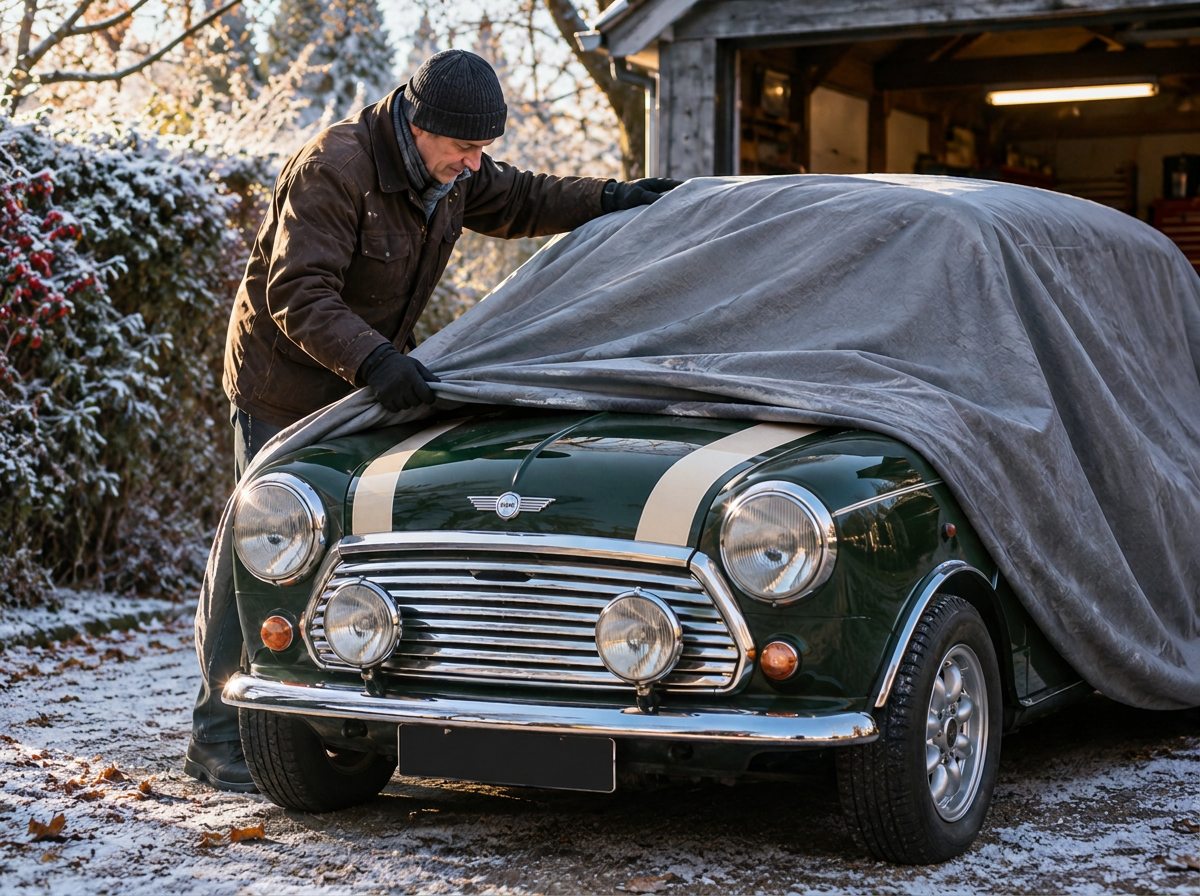 There's something special about preserving a piece of motoring history, whether it's a beautifully restored classic, a much-loved sports car or a vehicle that's been in the family for generations. But keeping a classic in great condition takes a little extra care, particularly when the colder, wetter months arrive.
For many owners, autumn is the time to start thinking about putting their pride and joy away for winter. However, storing a classic car properly involves more than simply parking it in the garage and throwing a cover over it. The right preparation can make all the difference when it comes to protecting your investment and ensuring it's ready to enjoy again when spring arrives.
Drawing on our own experience and knowledge of classic car ownership, we've put together some practical winter storage tips, including common mistakes to avoid and advice on bringing your car back into use after the winter break.
1. Choose the Right Storage Environment
If you really want to give your classic car the best protection over winter, climate-controlled storage is the ideal solution.
Unlike a standard garage or outdoor storage space, a properly climate-controlled environment helps maintain consistent temperature and humidity levels, reducing the risk of condensation, damp and corrosion. These fluctuations in temperature and moisture can be particularly damaging to older vehicles, potentially affecting bodywork, metal components, electrical systems and interior materials.
Ideally, look for a specialist classic car storage facility that offers:
- Controlled temperature: Helps minimise temperature fluctuations that can contribute to condensation and moisture build-up.
- Humidity control: Keeps moisture levels at a more stable level, helping protect metalwork, upholstery and other vulnerable materials.
- Good ventilation: Helps maintain air circulation and reduces the risk of stagnant, damp conditions.
- Secure surroundings: Provides protection against theft, accidental damage and unwanted interference.
Of course, not everyone has access to specialist storage. If you're keeping your classic at home, a dry, secure and well-ventilated garage is the next best option. Check for signs of damp, water ingress or condensation, and consider using a suitable dehumidifier or humidity monitor to help manage moisture levels.
Don’t assume that simply keeping your car under cover is enough. A cold, damp garage can sometimes create more problems than leaving the vehicle in a properly managed environment.
For a cherished classic, investing in the right storage conditions can make a real difference to preserving its condition and helping ensure it's ready to enjoy again when spring arrives.
If you would like further advice and recommendations on local storage options for your classic car, please do get in touch.
2. Extra Protection With a Carefully Selected Car Cover
A good quality car cover can provide an additional layer of protection, but choosing the wrong one can do more harm than good.
A plastic sheet or non-breathable cover might appear to offer protection, but it can trap moisture underneath, increasing the risk of condensation and corrosion.
Instead, look for a breathable, purpose-designed indoor car cover that fits your vehicle properly. It should allow moisture vapour to escape while protecting the paintwork from dust and light scratches.
Before covering your car, make sure the exterior is clean and completely dry. Any dirt trapped underneath the cover can potentially rub against the paintwork, particularly if the cover moves.
Avoid using an outdoor cover inside a garage unless it is specifically suitable for that environment.
3. Protecting the Fuel System During Storage
Fuel is something that is easily forgotten when preparing a classic car for extended storage.
Petrol can deteriorate over time, particularly when left unused for several months. Depending on the fuel type and vehicle, this can contribute to deposits forming in the fuel system, potentially affecting components such as carburettors, fuel injectors and filters.
Older classic cars may also have fuel-system components that are less compatible with modern petrol formulations, so it's worth considering the manufacturer's recommendations and the requirements of your particular vehicle.
For longer storage periods, speak to a classic car specialist about whether a suitable fuel stabiliser or other storage precautions are appropriate.
The important thing is not to assume that simply leaving the fuel tank full or empty is the right solution for every classic car. The best approach will depend on the vehicle, its fuel system and how long it will be stored.
4. Keeping the Critters at Bay
It might not be the first thing that comes to mind when preparing a car for winter, but rodents and insect infestations can cause considerable damage to vehicles left standing for long periods.
Unfortunately, a car can offer plenty of hiding places. Rodents may chew through electrical wiring, rubber hoses, insulation and interior materials, potentially causing expensive repairs. Your car can also create a great environment for moths, carpet beetles, silverfish, ants and spiders, which can cause damage to upholstery, carpets and interior trim.
Before storing your vehicle:
- Remove any food, wrappers or rubbish from the car that may be a food source for critters.
- Keep the garage clean and free from clutter.
- Check for gaps around doors, walls and other potential entry points.
- Look out for signs of rodent activity around the vehicle, such as droppings.
- Consider appropriate pest prevention measures if your garage has a history of problems.
It's also worth checking around the vehicle periodically during storage, rather than assuming everything is fine until spring.
5. Should You Start Your Classic Car During Winter Storage?
This is something we're often asked by classic car owners, and our advice at Foster & Heanes is not to start your car simply for the sake of it.
It's a common misconception that starting your classic every week or two will help keep everything in good working order. In reality, running an engine for just a few minutes without allowing it to reach its normal operating temperature can do more harm than good.
Short running periods can cause condensation to build up inside the engine and exhaust system, while the battery may not receive enough charge to replace the energy used during starting. Over time, this can contribute to moisture-related problems and unnecessary battery drain.
So, what do we recommend?
If you're planning to store your classic for the winter, prepare it properly before putting it away and avoid repeatedly starting the engine for short periods. If you do want to take it out, make sure conditions, insurance and road safety allow for a proper drive, giving the engine time to reach its normal operating temperature.
We'd also recommend using a suitable battery maintainer during extended storage to help keep the battery in good condition without the need for regular starting.
Every classic is different, of course, and older vehicles can have their own particular requirements. If you're unsure about the best approach for your car, we're always happy to offer advice based on its age, condition and mechanical set-up.
After all, we own and care for classic cars ourselves, so we understand the importance of getting these little details right!
6. Don't Forget the Little Details
Even when your car is safely tucked away, there are a few smaller details that can make a difference over a prolonged storage period.
For example, consider:
- Handbrake: Where the vehicle and storage arrangements allow, consider leaving the handbrake released and using suitable wheel chocks to prevent movement. This can help avoid the brakes becoming stuck or binding.
- Tyres: Check tyre pressures before storage and periodically during the winter. If the vehicle is going to remain stationary for several months, appropriate support or movement may help reduce the risk of flat spots.
- Windows: Ensure the interior is dry before storage and avoid leaving windows fully open where this could allow damp, pests or debris inside.
- Convertible roofs: If your classic has a fabric roof, make sure it is clean and completely dry before folding or covering it.
- Keys and security: Keep keys somewhere safe and ensure any security devices or trackers are maintained according to their instructions.
These small precautions can help avoid unnecessary problems when you come to use your vehicle again.
Classic Car Servicing & Maintenance at Foster & Heanes
A classic car deserves a little extra attention, particularly if it spends part of the year in storage. Keeping on top of servicing and maintenance can help preserve its condition, maintain reliability and ensure it's ready to enjoy when the driving season returns.
At Foster & Heanes, we provide classic car servicing, maintenance and repairs for a wide range of older and vintage vehicles. Whether your car needs routine servicing, mechanical repairs, diagnostic checks or a little attention before coming out of winter storage, our experienced team can help.
We look after classic cars alongside modern vehicles at our garages in Fleet and Dogmersfield, offering friendly advice and straightforward servicing.
If you're preparing your classic for winter storage or planning to bring it back onto the road in spring, get in touch with the team.
Call Foster & Heanes on 01252 615657 to discuss your classic car servicing requirements.
Find out more about our Classic Car Servicing & Repair Services.